How to Spot a Quality Collar Before You Buy: 15 Things to Check
2026-08-03
Shopping online for a collar — whether a subtle day collar or something more statement-making — means trusting a product page. You can't touch it. You can't feel the weight or test the clasp. That's why knowing what to look for before you add something to your cart matters. If you haven't settled on a style yet, start with our day collar buying guide. Here are 15 things to check before you buy.
1. The Clasp Mechanism and How It Fails
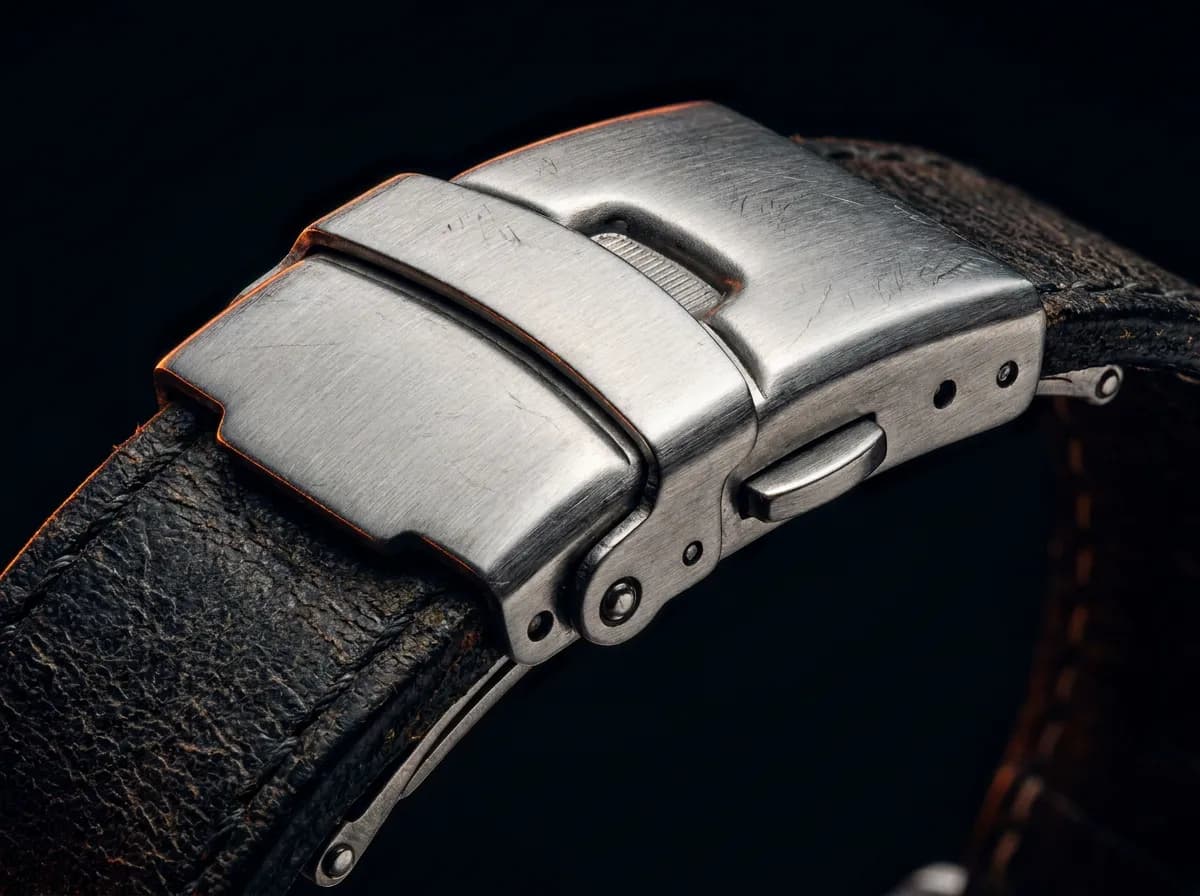
Start with the clasp. A locking clasp should open and close smoothly with no wobble. Check how the mechanism is described — does the page explain what kind of lock it uses and how to operate it? Cheap clasps bend, jam, or pop open under light tension. Barrel clasps, lobster clasps, and padlock-style rings all fail in different ways, and the difference between a day collar and a traditional BDSM collar often comes down to which clasp type it uses. A quality seller explains the clasp honestly, including its limits. If the page skips this detail entirely, that's a red flag worth noting.
2. Metal Type — Plating vs. Solid
The metal description tells you a lot. Plated metal is a base metal coated in a thin layer of something else — gold, silver, or chrome. That layer wears off. Solid stainless steel, solid brass, or solid sterling silver won't. The page should say exactly what the metal is and whether it's plated. Terms like "silver-tone" or "gold-finish" usually mean plated. The FTC's own consumer guide to buying gold and silver jewelry lays out exactly what plated, filled, and solid mean under U.S. law. If the material section is vague, assume you're getting the cheaper option. Plating isn't always bad, but you deserve to know what you're buying.
3. Leather Grade and Stitching
For leather collars, not all leather is the same. Full-grain and top-grain leather are more durable than bonded leather, which is essentially leather scraps pressed together. Good stitching is tight, even, and uses a thread weight that matches the leather's thickness. Look for photos that show the edges — are they raw, painted, or burnished? Rough edges fray fast with everyday wear. A quality leather collar is designed to last and should look finished on every surface, not just the front.
4. Weld Quality on Rings
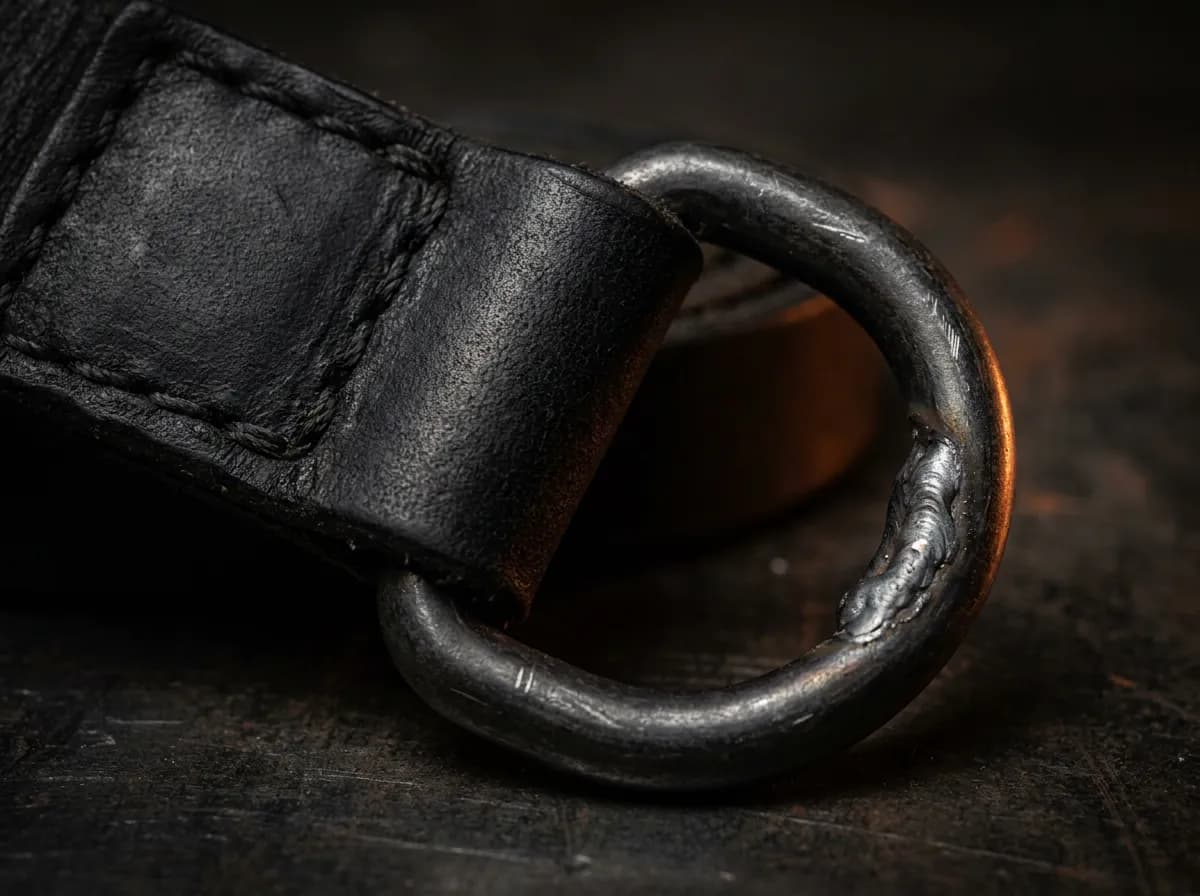
Any ring attached to a collar — a D-ring, O-ring, or hanging ring — is only as good as its weld or connection point. A poorly welded ring can twist, spread open, or pull free over time. Look for descriptions that mention solid-ring construction versus split rings. Split rings are fine for lighter accessories, but they're not designed for any real tension. If the page doesn't address how the ring is attached, look at the photos closely. You want a clean, closed ring with no visible seam gaps.
5. Listed Length and Sizing Charts
This one trips up a lot of buyers. A collar listed as 16 inches might measure 16 inches total — but where does the clasp land on your neck? A good product page will tell you the wearable length range, not just the total length. Look for a sizing chart or a note about how the piece sits on the neck. If the page only lists one number with no context, measure a necklace or collar you already own and compare. Getting the fit wrong is one of the most common reasons customers return these items.
6. Weight
Weight affects comfort, especially for everyday wear. A heavy chain or thick metal cuff can become tiring to wear for long periods. The page should list weight in grams or ounces. If it doesn't, check the reviews — customers often mention whether something was heavier or lighter than expected. A light piece might feel cheap. A heavy piece might be too much for all-day use. Neither is automatically better, but you should know what to expect before it's shipped to you.
7. How the Piece Sits on the Neck
This is hard to judge from a flat product photo. Look for images that show the collar worn on a real person, not just laid flat on a table. How does it drape? Does it sit flush or does it have a stiff structure? Soft materials like thin leather or lightweight chain tend to drape naturally. Thicker or rigid designs hold their shape. Neither is wrong, but the fit experience is very different. If the store only shows flat lay photos, that's worth noting before you buy.
8. Hypoallergenic and Sensitive-Skin Claims
Plenty of pages use the word "hypoallergenic" loosely. What actually matters is the material. Surgical-grade stainless steel and solid titanium are genuinely low-risk for most skin types. Nickel is a common allergen found in many cheaper metals. If you have sensitive skin, look for products that name the specific alloy, not just a marketing term. A shop that takes skin safety seriously will be specific. A vague claim with no material details is not something to trust against your skin.
9. Product Photos Worn on a Real Person
Flat lay photos are easy to fake or source from a supplier. Photos worn on a real person tell you far more — how the length actually fits, how the ring hangs, how the leather or chain moves. A quality brand invests in real product photography. If every image on the page is a white-background shot with no model, that's worth factoring into your trust assessment. Some sellers use customer photos — check the review section to find those.
10. How Detailed the Material Description Is
A thorough material description is one of the clearest signs of a serious seller. It should tell you what the metal or leather is, how it's finished, what hardware is used, and whether any coatings or treatments are applied. Vague copy like "high quality materials" or "premium design" says nothing. If the description reads like it was written to fill space rather than inform, you're probably looking at a drop-shipped item with no real quality control behind it. Good sellers describe their products with confidence and specifics.
11. Review Quality and What Three-Star Reviews Reveal
Don't just read the five-star reviews. Look at the three-star reviews — those tend to be the most honest. Three-star customers usually liked something but found a real flaw. They'll tell you if the clasp stuck, if the leather smelled off, if the sizing ran small, or if the ring bent quickly. Reviews that sound scripted or use identical language are a sign of fake feedback. A mix of genuine, varied reviews — including some criticism — is actually more trustworthy than a page full of perfect ratings.
12. Seller Responsiveness and Return Policy
Before you buy, send a question to the seller. Ask something specific about the item — material, sizing, or care instructions. How fast they respond and how detailed their answer is tells you what the post-purchase experience will be like. Also read the return policy carefully. Some shops accept returns on unworn items only. Others are final sale. A seller who offers a fair return window and responds clearly is one worth trusting with your account and your money.
13. Discreet Shipping and Packaging
This matters to a lot of buyers and good sellers know it. Look for a clear statement on the product page or the store's FAQ about how items are shipped and what the outside of the package looks like. Discreet packaging means no brand names, no product descriptions, and no identifying logos on the outside of the box or mailer. If the page doesn't mention it, email and ask. A seller experienced with this category of products will understand the question immediately and answer it without hesitation.
14. Price vs. What the Material Justifies
Use price as a reality check, not a quality guarantee. Solid stainless steel, full-grain leather, and quality hardware all have a floor — they cost something to make. If the price seems extremely low for what's described, the materials probably aren't what the page claims. That said, high price alone doesn't mean high quality. Compare what similar items sell for across multiple sites. When the gap between price and described materials is too wide in either direction, that's worth investigating before you buy.
15. Warranty or Repair Options
A seller who stands behind their products will say so. Look for any mention of a warranty, a repair program, or a guarantee against defects. This is especially relevant for locking hardware and welded rings. Even a basic 30-day defect policy tells you the brand has enough confidence in their work to make that offer. If the page says nothing about what happens after the item is shipped and received, you're on your own the moment something breaks. For restraints and collars designed for regular use, that's a risk worth thinking through.