Day Collar vs. Traditional BDSM Collar: Which One Do You Actually Need?
2026-08-03
What Is a Traditional BDSM Collar?
A traditional BDSM collar is designed with restraints and structured play in mind. It is built to look and feel like a deliberate statement piece. Most are made from thick leather or heavy metal, and they often feature a prominent O-ring or D-ring at the front. These rings serve a purpose — they can attach to a leash or other accessories. The neck piece is wide, sometimes padded, and meant to be seen. It signals something specific to people who recognize it.
What Is a Day Collar?
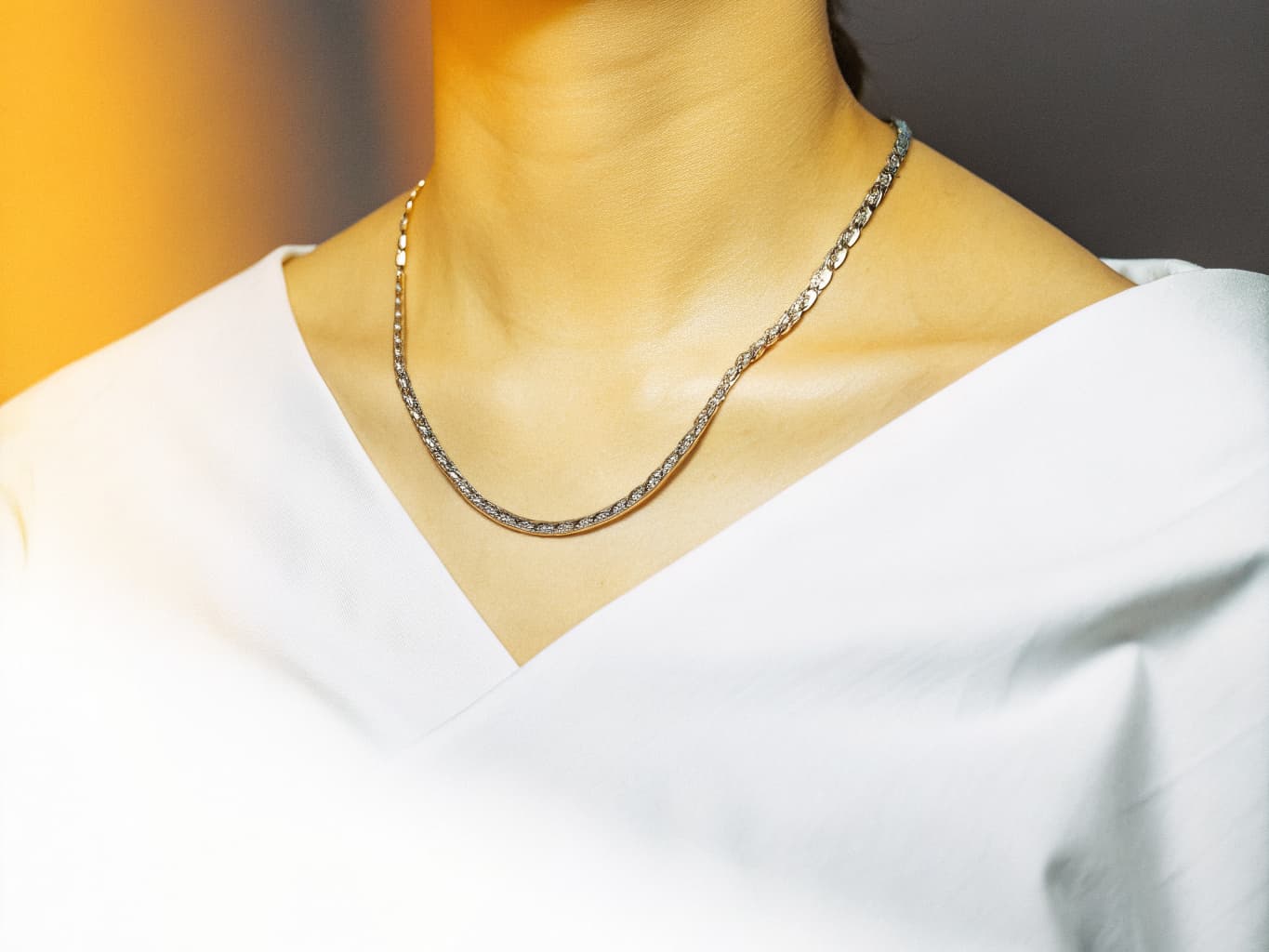
A day collar is worn during everyday life, not just during structured time with a partner. It is meant to look like a regular necklace or simple jewelry item to most people who see it. The design is lighter and more subtle. The connection it represents is still meaningful — it often signals an ongoing bond between two people — but it does not advertise itself. A woman might wear one to work without drawing a second glance. That discreet quality is the whole point.
Materials: Leather, Metal, Fabric, and More
Traditional collars lean toward thick leather or heavy metal. Leather feels firm against the neck and breaks in over time. Metal and chain options are cold, rigid, and bold. Day collars often use softer materials — thin leather, sterling silver, gold-filled metal, or delicate chain. The material affects how the item sits on the neck and how long you can comfortably wear it. A heavy leather collar is fine for an evening. A light chain works for a full day. Choose the material based on how long you plan to use it.
Width and Weight: How Much Collar Do You Need?
Traditional collars tend to be wide — often two to four inches across. That width distributes pressure and adds visual presence. The weight follows from the material. Heavy metal or layered leather means real weight on the neck. Day collars are narrow by design. Many look like a simple band or chain, sitting close to the skin without bulk. If the fit needs to stay comfortable for eight or more hours, less weight and less width is almost always the better choice. Think about your daily routine before you decide.
Locking Clasp Options
A locking clasp is one of the most meaningful design features in any collar. Traditional collars often use a padlock or a built-in lock so that the wearer cannot remove the collar without a key. This feature is central to the experience for many couples. Day collars sometimes include a small locking clasp too, but it is usually designed to look like standard jewelry hardware. Some use a simple lobster clasp or a barrel clasp instead. If the lock matters to you and your partner, confirm what type the product uses before you add it to your cart.
O-Rings and D-Rings: How Restraints Hardware Changes the Design
An O-ring is a round metal loop. A D-ring is flat on one side, shaped like the letter D. Both sit at the front or back of a collar and allow accessories like leashes to attach quickly. Traditional collars almost always feature one or both. Day collars may skip rings entirely to keep the look clean, or they may include a very small ring that doubles as a pendant holder. For a closer look at how different ring and clasp hardware is built, it helps to see the mechanisms side by side. If restraints use is important to your experience, make sure the ring on any collar you buy is welded shut or rated to handle real tension — not just decorative.
Comfort During Long Wear
Comfort over a long period depends on width, weight, and how the interior is finished. A thick, unlined leather collar can chafe after an hour. A padded or suede-lined interior helps. Day collars are built for all-day wear, so they tend to prioritize softness and lightness. Soft fabric options exist too — velvet or ribbon-style collars that feel gentle against sensitive skin. Pay attention to any edges, stitching, or hardware that sits against the neck. If the item is not comfortable during a short test, it will not improve over time.
Wearing One to Work: How Discreet Can a Collar Be?
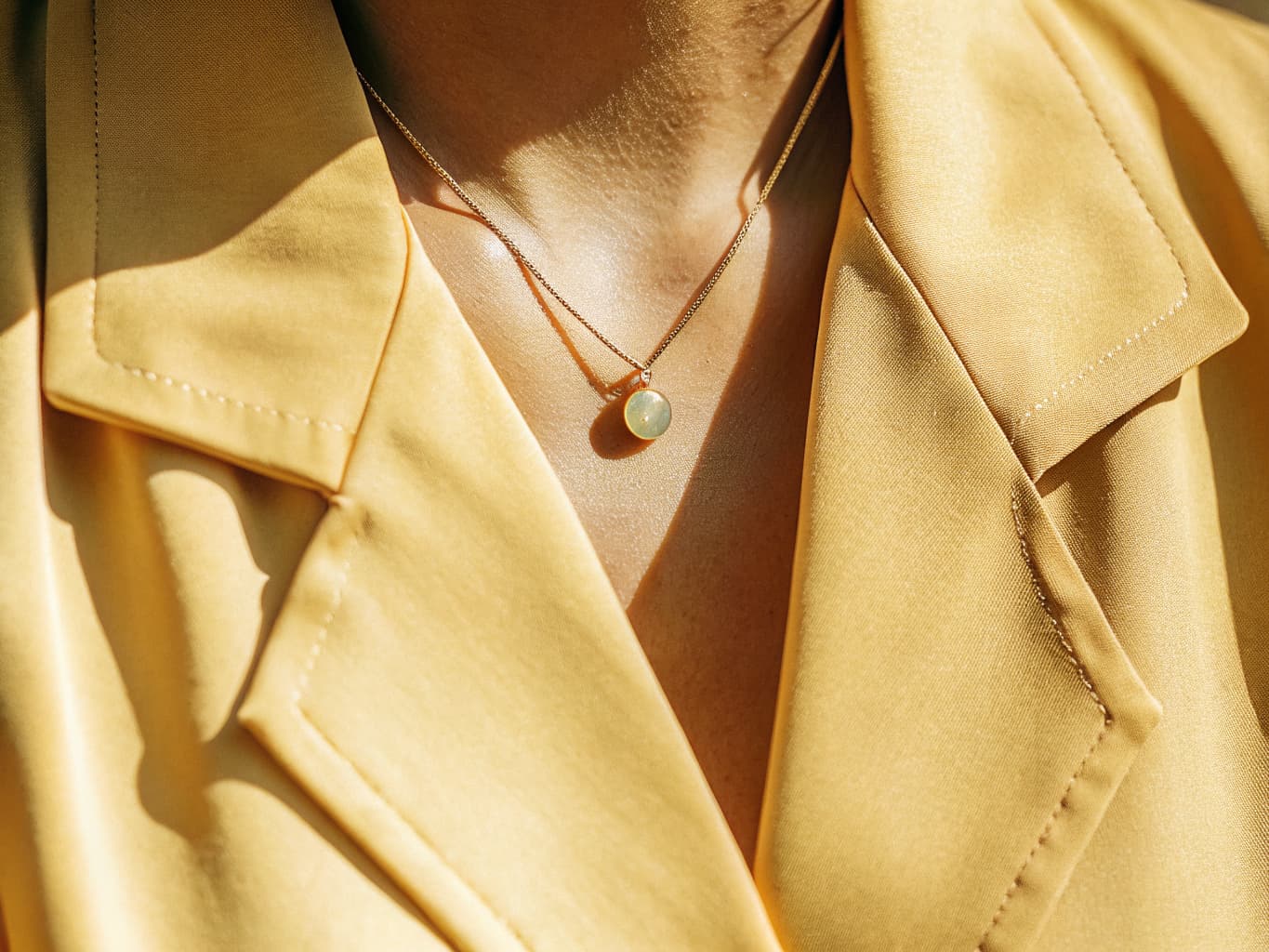
A traditional BDSM collar is not designed to be discreet. It reads as what it is to people familiar with the community. Wearing it in a professional setting is usually not practical. A day collar is designed precisely for that gap. A thin chain with a small pendant, a simple metal band at the collarbone, or a delicate ring on a chain — these all read as ordinary jewelry. Most people will not look twice. If discretion matters to you, the day collar is the clear choice. The meaning stays private even when the item is visible.
Price Differences: What to Expect
Price varies widely in both categories. A basic traditional collar made from mid-grade leather might start around twenty to forty dollars. Higher-end options with quality hardware, locking clasps, and hand-stitching can run well above one hundred dollars. Day collars follow a similar range. Simple fabric or thin chain options are affordable. Collars made from solid sterling silver, gold fill, or hand-forged metal from a specialty store cost more. Price often reflects material quality and the care taken in construction. A fair price for a well-made item is worth it when the item will be worn every day.
Durability: Which One Lasts Longer?
Heavy leather and solid metal are built to last for years when cared for properly. Traditional collars are often made to take real use. Day collars can be equally durable, but the thinner construction means they require more care. A delicate chain can kink or break under stress. A soft fabric collar may wear thin. The key is matching durability to use. If the collar will be worn daily for years, invest in quality. Read the product description carefully and look for information on metal gauge, leather thickness, or construction method before you buy — our guide on how to spot a quality collar breaks down exactly what to check.
Sizing and Fit: Getting the Length Right
Fit matters more than most people expect. A collar that is too loose slides around. One that is too tight is uncomfortable and can be unsafe. Most traditional collars include sizing guides based on neck measurement. Day collars may list a standard length like a necklace — fourteen, sixteen, or eighteen inches. Measure your neck at the base, then add space based on how the collar is meant to fit. Some products offer custom sizing. If you are buying for a partner, measure carefully or choose a style with a wide range of adjustability. A good fit is part of a good experience.
Who Each One Suits
A traditional collar suits someone who wants a clear, structured statement — a person who values the weight and presence of a dedicated piece during intentional time with their partner. A day collar suits someone who wants continuous, discreet connection that travels with them through ordinary life. Tastes differ, and neither choice is more serious than the other. Some people are drawn to the elegance of a fine chain. Others feel more themselves in something bold and heavy. Both are valid. If you're still sorting out what a day collar means for your relationship, that question is worth answering before the style question. The right fit depends on what the collar is meant to represent in your specific relationship.
Owning Both: Why Some People Do
Many people who are serious about this find they want one of each. A traditional collar for intentional time together. A day collar for the hours in between. The two serve different purposes, and they do not replace each other. If you are just starting out, it is fine to begin with one and add the other when you are ready. There is no rule that says you must choose only one. Some couples start with a day collar because it can be worn right away, then add a heavier traditional piece when the relationship and trust have had time to grow.
Care Differences: Keeping Each One in Good Shape
Leather needs conditioning — a good leather balm applied occasionally keeps it from drying and cracking. Keep it away from prolonged moisture. Metal collars should be dried after contact with water and stored where they will not scratch. Chain styles can be gently straightened if they kink. Fabric and velvet collars are often hand-wash only. Day collars made from fine metals should be stored separately to avoid scratching. Good care extends the life of any item. Check what the seller recommends and follow those instructions from the start rather than trying to fix damage later.
How to Review a Seller Before You Buy
Before you buy from any shop or brand, take time to look at real reviews. Look for reviews that mention how the item held up over time, not just how it looked out of the box. Check that the store is clear about materials — a reputable seller lists exact metals, leather types, and hardware specs. Look for a return or exchange policy. If a product description is vague, that is a signal worth taking seriously. A trustworthy seller offers clear information and stands behind what they make. Finding the right shop takes a few extra minutes but saves real disappointment.
How to Decide: A Simple Framework
Start with one question: where will this collar be worn most? If the answer is during private, intentional time with your partner, a traditional collar is the right fit. If the answer is all day, in public, at work, or continuously — choose a day collar built for everyday wear. Then consider material, locking clasp type, and ring features based on what matters to you and your partner. Agree on what the item means before you buy. The collar itself is just an object. The meaning comes from the two people who decide to use it together.