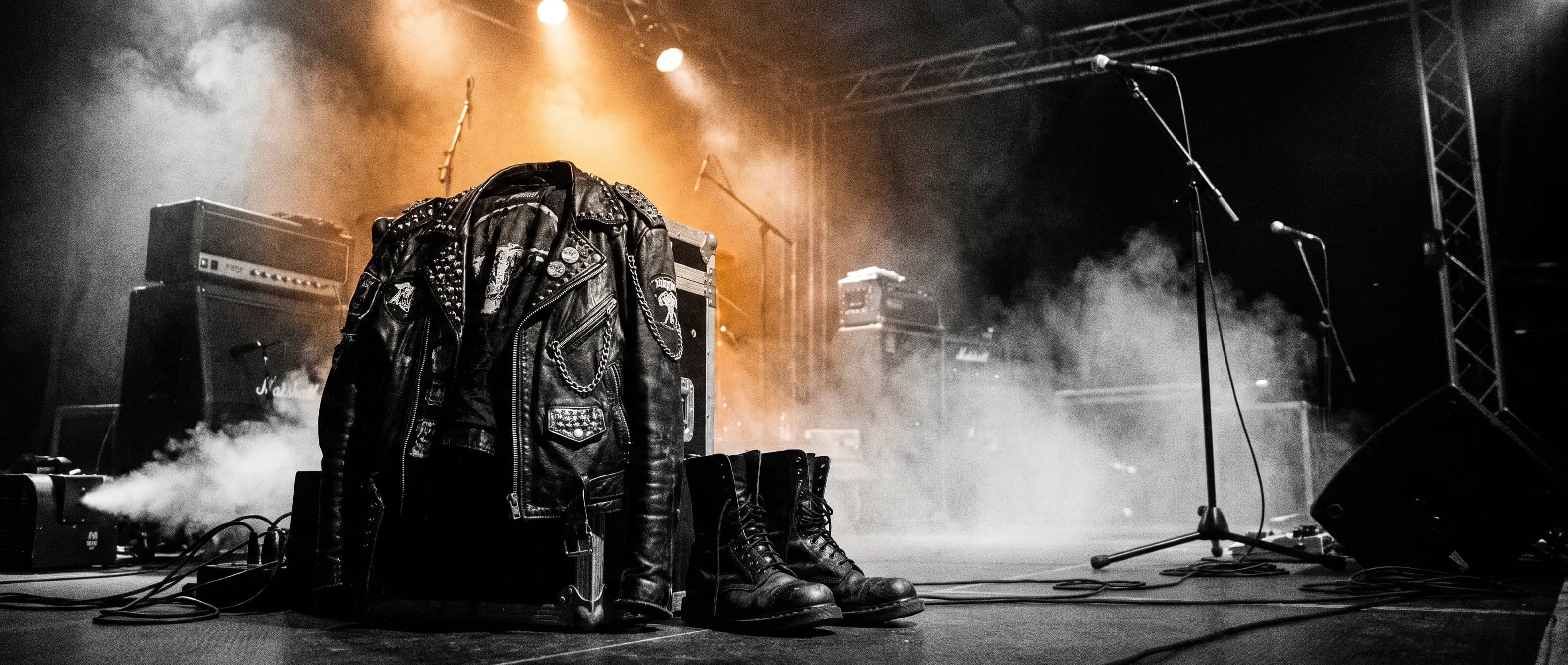
Stage clothing is built for the stage, not the sidewalk. Stage clothes take a beating every night, so the materials run heavier, the seams are reinforced, and real craftsmanship matters more than the price on the tag. The look also has to read from the back row. That is the whole design brief, and it has not changed since 1975.
So what did rock musicians actually wear before wardrobe people and brand deals existed? Where did they buy it? And how did a small store on Melrose Avenue end up on a Michael Jackson record sleeve?
We were that store, and this is rock history we were standing in the middle of. Here is the honest version, including the parts that do not flatter us. If you wanna know how rock musicians really got dressed before any of this was an industry, it is a better story than the myth.
What Makes Stage Clothes Different?
A shirt you wear to dinner and a shirt you wear on stage are not the same object. One has to look good. The other has to survive.
| Street clothes | Stage clothes | |
|---|---|---|
| Materials | Comfort first | Heavy leather, canvas, coated denim |
| Seams | Standard | Reinforced, because you move hard |
| Fit | Relaxed | Cut to move and still hold a shape |
| Colour | Anything | Has to read from 200 feet back |
| Lifespan | Years of light wear | One summer tour, if you are lucky |
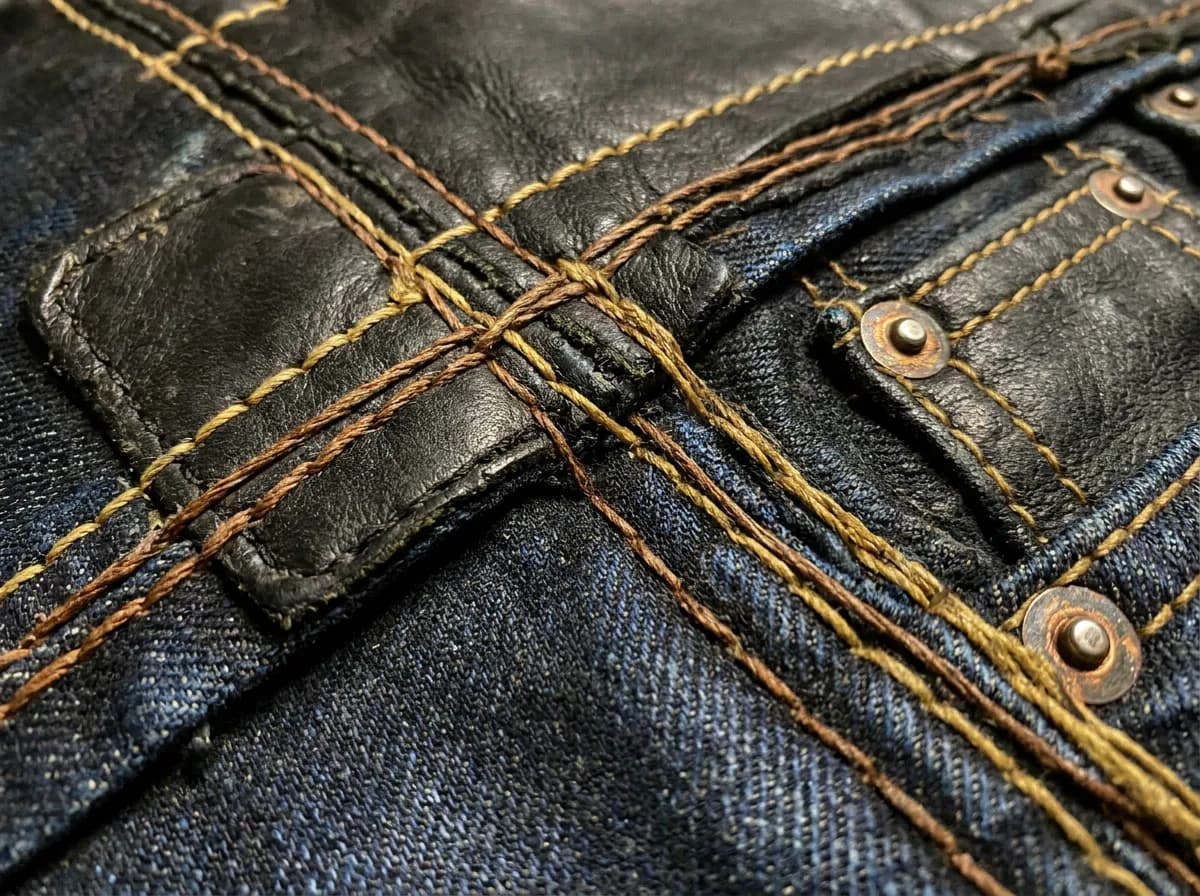
Rock musicians learn this the hard way. Cheap gear falls apart under stage lights inside a single summer, and the price you saved gets spent twice. Good materials and honest craftsmanship cost more up front and win by the end of the run. Quality here is not a luxury word. It is what decides whether a piece lasts one summer or ten.
There is a second job people miss. Stage clothes protect you. Leather protects your arms when you go down on a monitor. Heavy pants protect your knees. Ask anyone who has played a summer festival in shorts.
Slash's Top Hat: The Story He Tells, and the One We Tell
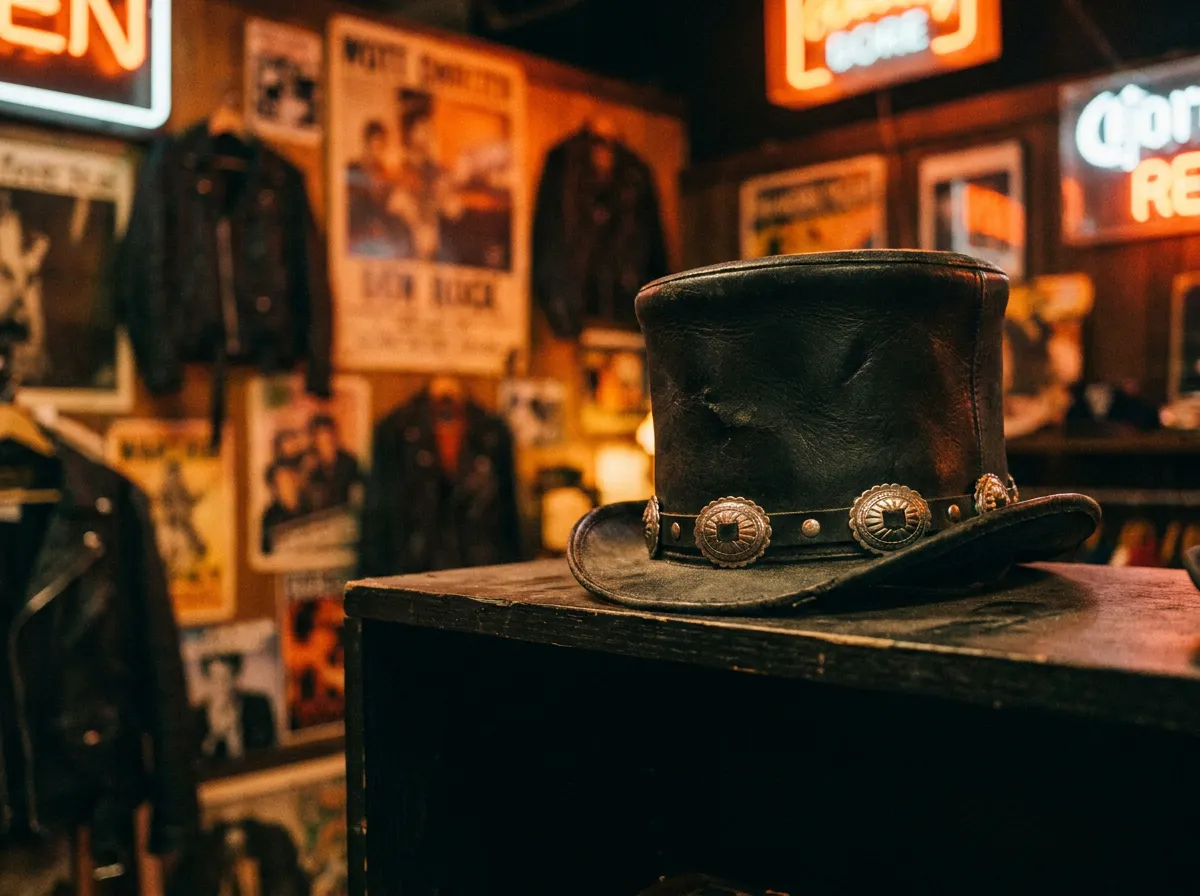
The most famous item that ever left our store was a top hat, and Slash did not pay for it.
He has told this himself, more than once. On The Howard Stern Show in 2020 he said he was on Melrose before a Whisky a Go Go gig, “just cruising around looking for shit to pilfer.” His method, in his words: “Just walk out casually.”
He gave Conan O'Brien the fuller version in February 2022. On the hat: “It just spoke to me I guess. I figured what the f*** I'd just walk out with it.”
Slash tells the top hat story to Conan O'Brien (2022)
Then comes the part almost nobody knows. He went next door to Leathers & Treasures, took a concho belt, carried both home, and cut the belt up to make the band that wraps the hat. He wore the finished thing on stage at the Whisky that night.
So the most recognisable silhouette in rock is two items from two neighbouring Melrose stores, assembled on an apartment floor. He did not buy the look. He made it. That is about as punk as an origin story gets.
Then it got even. The hat was later stolen from him at Riki Rachtman's Cathouse while he was drunk. After that, Slash bought his top hats.
Our former staff remember it a bit differently. The version told by people who worked the register is that the story grew in the retelling, and that an employee gave the band a very generous discount on a pile of stuff, the hat included. Both versions have been in print. We are not going to pretend we know exactly which is right.
Either way, it came off our rack. You cannot picture the band without it. That is what one piece of stage gear can do.
Michael Jackson's Belt
The second story is the one nobody believes until they look at the record sleeve.
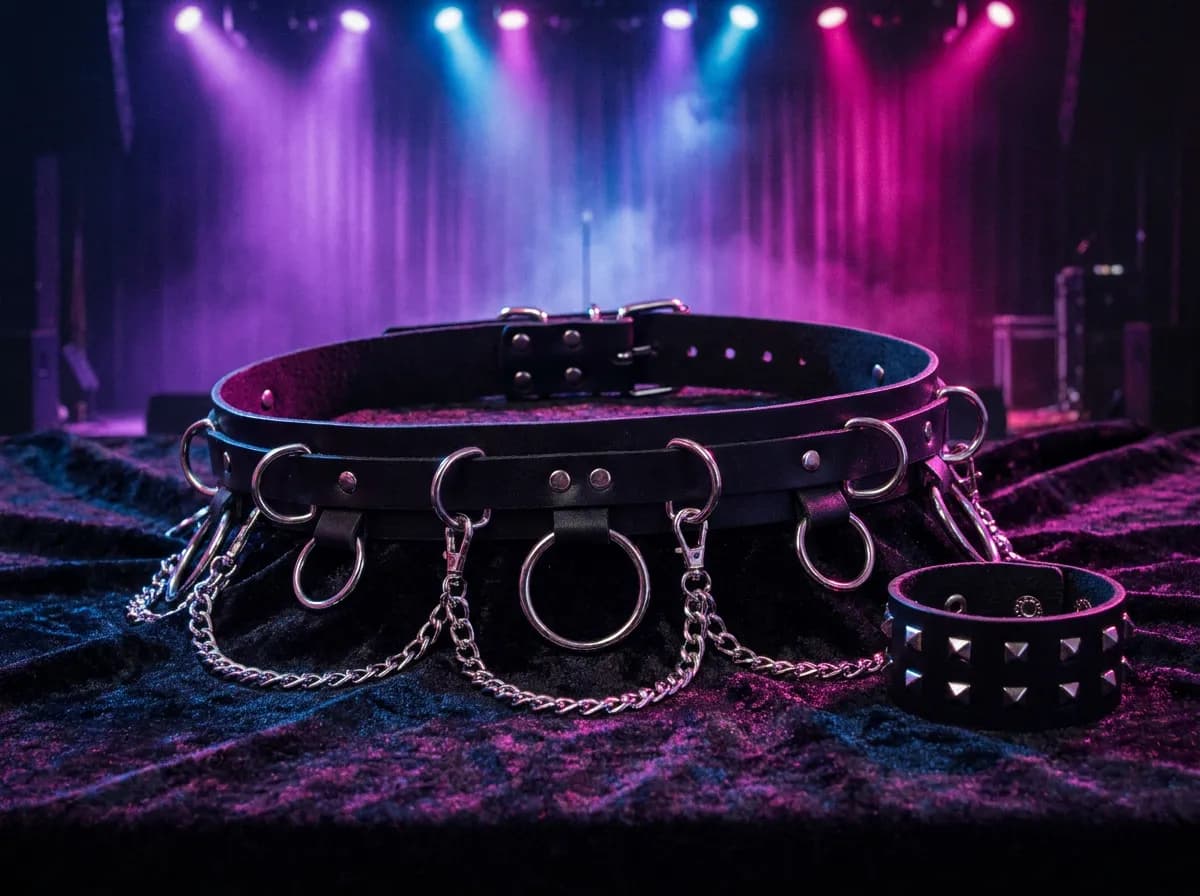
Michael Jackson bought a bondage belt and a bracelet from us, and wore them during the BAD era. Two pieces of hardware off a Melrose rack, on the biggest pop artist in the world, in front of the largest audience pop had at that point.
Nobody here styled it. There was no wardrobe call, no brand deal, no fee, no photo shoot. He came in, found the pieces, and bought them, and the purchase went through the till like anyone else's. That is how it worked then.
It is the cleanest example of what this place was for. We stocked the strange stuff nobody else would carry, and the people making the culture came and picked through it.
Guns N' Roses Pooled Their Money
Before the fame, GNR shopped like everybody else in the scene, which is to say, broke.
A former employee described how they bought. They would come in together and put their cash in a pile. “Like ok we're getting a t-shirt, hair dye and a bracelet.” One shirt, one box of dye, one bracelet, split across four friends in a band.
That detail says more about dressing a band than any magazine spread. The look was not one purchase. It was assembled slowly, out of whatever a band could afford that week. The band got dressed the same way their audience did.
They kept coming back after the records hit. That is the bit we are proud of.
The Other Career That Started at Our Register
Taime Downe worked our floor. A young Englishman newly arrived in Los Angeles had re-worked a cheap pair of trousers by hand, and Downe noticed them, then bought eight customised pairs off him at twenty-five dollars each.
That Englishman was Magnus Walker. He took the cash, set up a stall on Venice Beach, and built the label Serious Clothing, which we then stocked, and which ended up on Madonna, Alice Cooper and Bruce Willis. Today Walker is better known as the Porsche collector they call the Urban Outlaw.
One employee with an eye, one pile of re-worked trousers, one sale. That is what a good store on a good street can do for somebody.
Who Else Came Through
The customer list runs longer than people expect:
- Billy Idol and Cyndi Lauper, both regulars
- Axl Rose, before and after
- Nina Hagen, the German punk singer
- Andy Warhol, who put one of our pieces in his 1985 book America
The staff were part of the draw. François Haroldson of Motorcycle Boy and Taime Downe of Faster Pussycat both worked the floor. They were working musicians themselves, they looked fabulous, and more than one fan came in mainly to be rung up by them. There was a Boys of Retail Slut calendar. It sold.
What Was Actually on the Racks
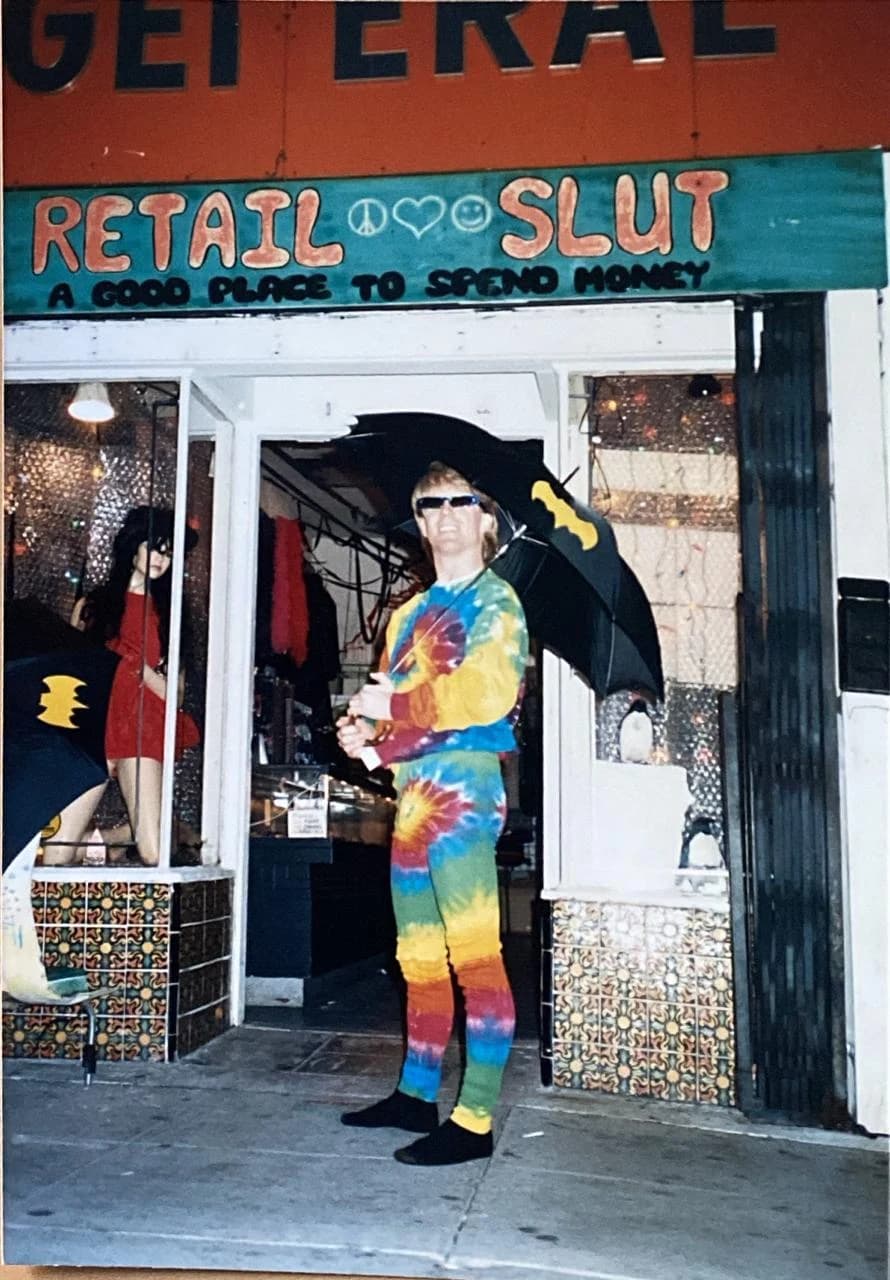
Founder Helen O'Neill opened in 1983 with a simple idea. In her words: “It was underground fashion. I tried to support the underdog and the underground.”
Getting stock was harder than it sounds now. O'Neill on the early years: “Remember when there used to be no black clothing anywhere? Like I had to go downtown and buy stuff for Mexican widows, or sometimes we'd dye stuff.”
The collection held:
- Black rubber bracelets by the fistful
- Manic Panic and Crazy Color hair dye
- Ape Leather bondage gear
- Lip Service and Serious Clothing
- Rare t-shirts you could not find anywhere else in California
Danny Fuentes, who worked there and later ran the 2021 revival, put the feeling this way: “Walking into Retail Slut felt like true freedom from everything. Sexual identity, gender, race, kink or really anything including your clothes if you like, was left at the door.”
Rockstar Style, Era by Era
Every generation of musicians solved the same problem, be visible, survive the night, with different materials. The style changed. The job never did.
| Era | The stage look | Built from |
|---|---|---|
| Early 1970s | Glam, glitter, platform boots | Satin, sequins, theatrical costume |
| Mid 1970s | David Bowie's character work | Stage clothing treated as an art project |
| Late 1970s | Punk, torn and pinned | Whatever was cheap and loud |
| 1980s | Leather jackets, big hair, hardware | Ape Leather, studs, hairspray |
| 1990s | Flannel and thrift-store denim | Anti-fashion as a fashion statement |
| Modern | Vintage revival, mixed eras | Secondhand, small brands, one loud piece |
David Bowie is the style reference everyone reaches for, and rightly. He treated each tour as a design project rather than a wardrobe, and a generation of stage clothing was born out of that one habit. Most rockstar style since is a version of the same idea on a smaller budget.
What to Look For When You Buy Stage Clothes
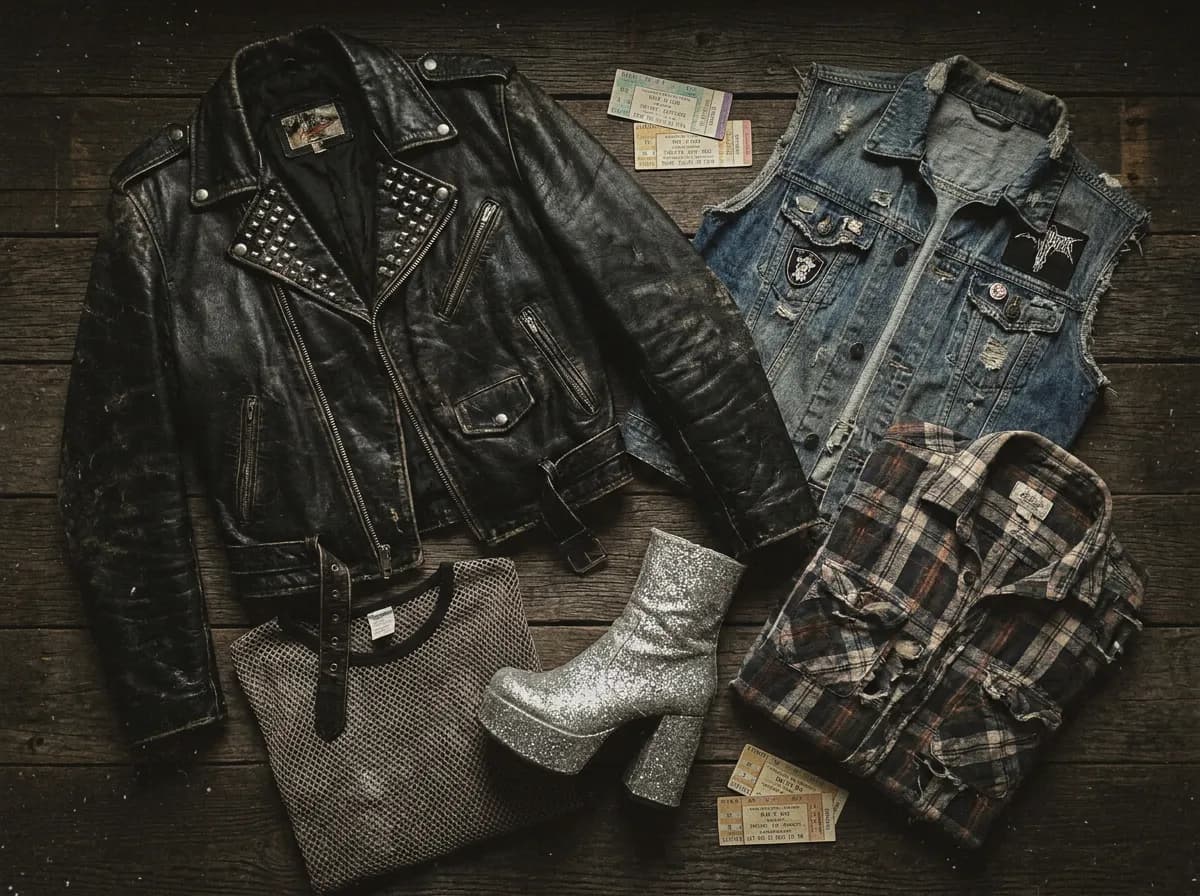
Whether you play to fifty people in Chicago or five thousand in California, the checklist is the same.
- Check the materials first. Real leather, heavy cotton, coated denim. Thin materials die in one summer.
- Pull the seams. Gently. If they gap, the garment will not survive a performance, let alone a tour.
- Move in it. Raise your arms. Sit down. Stage clothes that only look right standing still are the wrong purchase.
- Check the details. Hardware that matches, lining that is finished, buttons sewn on properly. Craftsmanship shows in the boring parts.
- Buy the boots before the jacket. Every rockstar picture you can call to mind has boots in it, and they take the most punishment.
Acknowledge what you actually need. A jacket that photographs perfectly and cannot survive a summer is a costume, not gear. If you have to pick, pick the piece you will still wear in five years.
How to Get the Look on a Normal Budget
You do not need a tour budget to get dressed well. You need to buy in the right order.
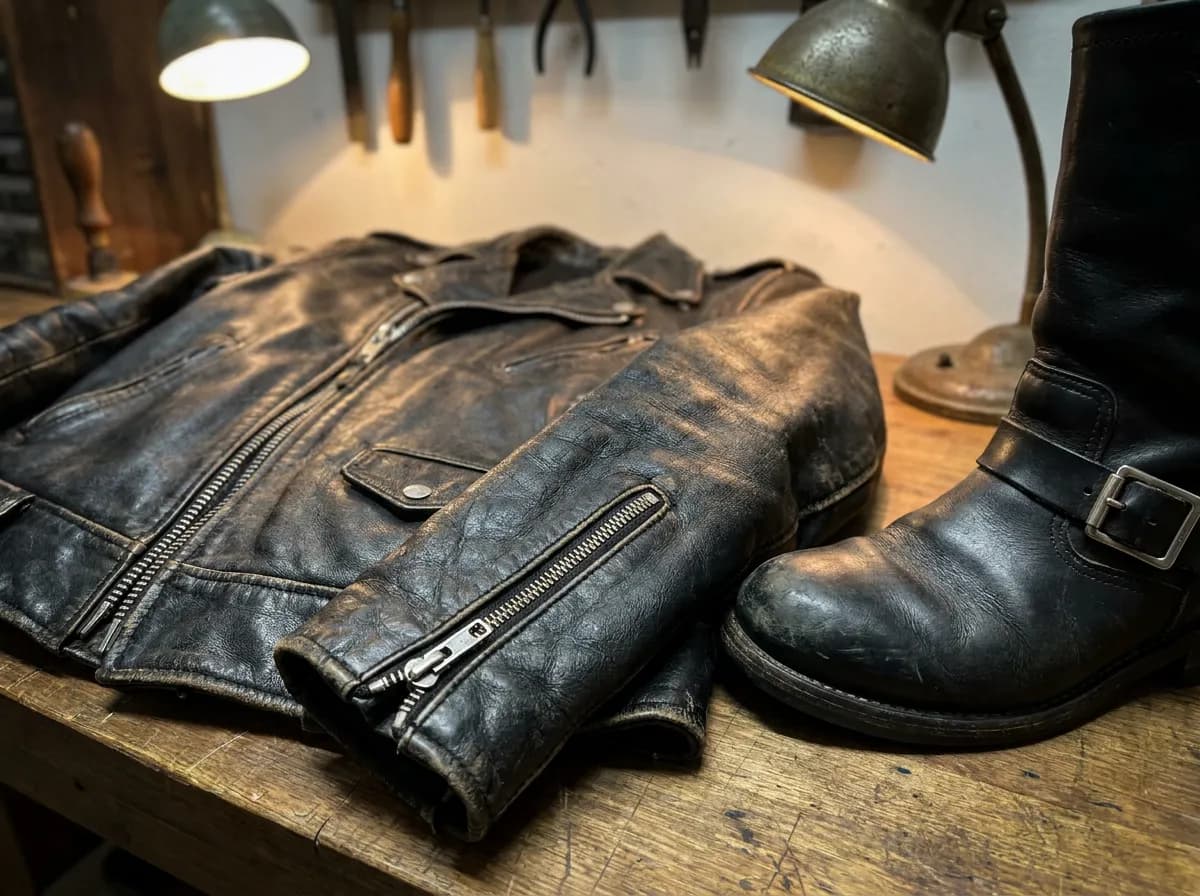
- One leather piece. A jacket is the spine of the whole outfit. Buy it once, wear it for twenty years, and let it fall apart slowly. You will wear it more than anything else you own.
- Then the pants. Heavy black pants or dark jeans that hold their shape. Jeans are where cheap gear fails first.
- Then boots. A pair you can stand in through a three-hour performance. This is the purchase that completes the outfit.
- Then one loud thing. A scarf, a belt, a hat. This is your signature, so pick it yourself.
- Then the shirt. A plain black shirt works. A band shirt works. Do not overthink the shirt.
The first thing people get wrong is buying the loud item first. That is how you end up dressed like a costume instead of a person. Build the base, then add the edge, and you will be dressed for a stage or a Tuesday with the same five pieces.
Also: get the haircut. Half of what reads as rockstar style is not clothing at all, and how you carry it matters more than what you wear. Bowie knew it. Every band mentioned on this page knew it, and most of them figured it out before they could afford anything fabulous.
Finally, and we mean this, stop waiting to earn it. Nobody in that pile of stories was famous when they walked in.
What Actually Survives a Summer on the Road
Ask anyone who has done a full summer run what they packed and what came home. The list is shorter than you would guess.
- Leather jackets survive. They improve. Beaten-up jackets are jackets doing their job.
- Cheap jeans do not. Two months of sweat and a laundromat and they are done. Buy one grade up from whatever you think you need.
- Boots survive if you paid a fair price once. Resole them rather than replace them.
- Printed shirts fade. That is fine. A faded shirt is a picture of the tour.
- Anything with cheap hardware fails. Snaps pop, zips split, and it always happens mid-performance.
The rest is replaceable. Pack light, wear it hard, and let the good pieces earn their keep.
There is a version of this for people who never go near a stage. The same rules apply to a Friday night: buy quality once, wear it constantly, and let the wear tell the story. Nobody wants to look brand new.
It is worth saying plainly, because the price tags in this category can be silly. You are not paying for a name. You are paying for materials that hold, and for a collection curated by people who got dressed in this stuff themselves.
One modern note. Half the life of an outfit now happens after the show, when somebody posts the photo. A look built for a stage tends to post well, because it was designed to be legible at distance in bad light. That is not why you should buy it. It is just a fair bonus.
What We Sell Now
Full disclosure, since it matters here. We are that store, and we are open again.
Same rockstar idea it was born with in 1983: stock a collection nobody else will carry, at a price real people can pay, made well enough to last. If you wanna dress like the people on this page, this is where they actually shopped.
- Goth and punk clothing — the main collection, black basics through to the loud end
- Bondage pants — the same category of gear that ended up on a BAD-era stage
- Gothic platform boots and black platform boots — where quality actually shows
- Men's goth clothing — the section most stores still treat as an afterthought
- The full history of punk clothing — how this whole look got here
- The Melrose story — our own history in detail

We are not going to pretend a website is the same as the room on Melrose. It is not. What carries over is what we choose to put on the rack.
If you are the ultimate fan of a particular era, tell us what you are after. We would rather point you somewhere real than sell you the wrong thing. That is a strange way to run a business and it is the only way we know how.
Sign up if you want to know when great stuff lands. We post new arrivals before they hit the wider world, and we will not fill your inbox the rest of the month.
Questions People Actually Ask
Where did Slash get his top hat?
From our store on Melrose Avenue in the mid-1980s, before a gig at the Whisky a Go Go. Slash has said publicly that he stole it, describing the method as walking out casually. Former staff say that version grew over the years, and that an employee gave the band a heavy discount instead. The hat was later stolen from him at the Cathouse, and after that he bought them.
What did Michael Jackson buy at Retail Slut?
A bondage belt and a bracelet, both worn during the BAD era. No stylist was involved and there was no arrangement with the store. He came in, picked the pieces off the rack, and paid like any other customer. It is the best example we have of what one independent store could do for a look before brand deals existed.
What makes stage clothing different from normal clothes?
Durability and visibility. Stage clothes get destroyed nightly, so materials run heavier and seams are reinforced. They also have to be legible from the back of a room, which pushes design toward strong shapes and high contrast. A shirt built for a summer of shows is a different object from one built for a dinner.
Do I need to spend a lot to get the look?
No, and most of the musicians who defined it did not. Guns N' Roses pooled their money for a t-shirt, hair dye, and a bracelet. Buy one good leather piece, then add slowly. Spending on the loud item before you own the basics is the most common way people end up looking like a costume rather than themselves.
Did David Bowie shop here?
Not that we can document, and we will not claim it. Bowie is the obvious reference for stage clothing as art, he treated every tour as a design project, but his influence here ran through the customers who grew up on him, not through the man himself. We would rather miss a name-drop than invent one.
Is any of the original stock still around?
Some turns up. Original Lip Service and Ape Leather pieces from the 1980s and 1990s trade among collectors, and the price reflects it. If you are interested in a specific era, secondhand is where to search. We would rather point you to a real one than sell you a reproduction and call it vintage.
What happened to the store?
It opened in 1983, moved four times along Melrose, and closed on 31 March 2003. Lethal Amounts revived it for a pop-up in 2021, and it is trading again now. The gap in the middle is real and we will not paper over it. Finally getting the doors open again took longer than anyone wanted. The scene was still here when we got back, which was the surprise. Read more on Retail Slut on Wikipedia.
On sources. Slash's account comes from his own interviews with Howard Stern in 2020 and Conan O'Brien in February 2022. The alternate version comes from former staff quoted in print. Where the two disagree, both are shown. Nothing here was invented to make us look better, including the bit where we never got paid for the most famous hat in rock.